Clamp and Jig Positioning Technology: Examples of Electric Jigs and Transport Motors
Technical explanation of clamps and jigs for processing and welding. There is a track record of using electric clamp opening and closing control, as well as motors for jig rotation and transportation.
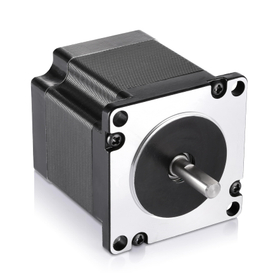
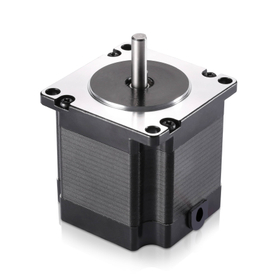
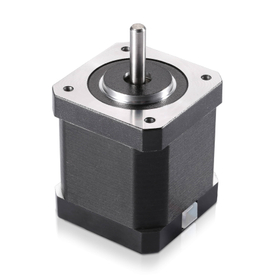
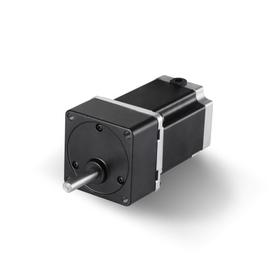
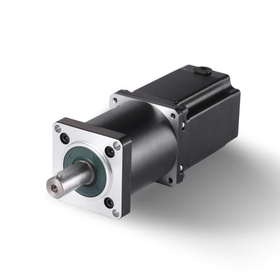
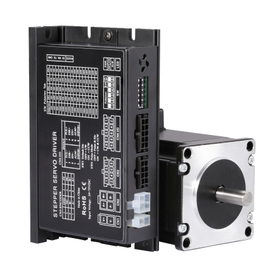
In metal processing (cutting and grinding), welding, and automatic assembly lines, "clamps" and "jigs" are used to securely fix and hold the workpieces in precise positions. They are one of the most important technical elements for maintaining processing accuracy (dimensional tolerances), reducing setup time, and ensuring worker safety. In jig design, it is essential to ensure "holding force (clamping force)" that can withstand processing gravity and cutting resistance, while also preventing excessive tightening that could cause "workpiece distortion or deformation (warping)." The methods include manual toggle clamps, as well as hydraulic and pneumatic clamps suitable for automation, and the increasingly popular "electric clamps." Electric clamps, in particular, are indispensable for smart factory implementation and poka-yoke (error prevention) as they allow for numerical control of clamping force, seat confirmation via sensors, and detection of foreign object entrapment. Kuru Co., Ltd. is not a manufacturer of jigs and clamps themselves, but it has a proven track record of using its own products as motors for actuators that open and close electric clamps and rotate and transport workpieces with the jigs.
- Company:CLUW Inc.
- Price:Other